announcement-check
Canon's EOS R8 Mark II Finally Adds the Stabilization the Original Skipped
Canon's EOS R8 Mark II adds in-body stabilization the original R8 lacked, ships late October at $1,899, still cheaper than the R6 Mark III.
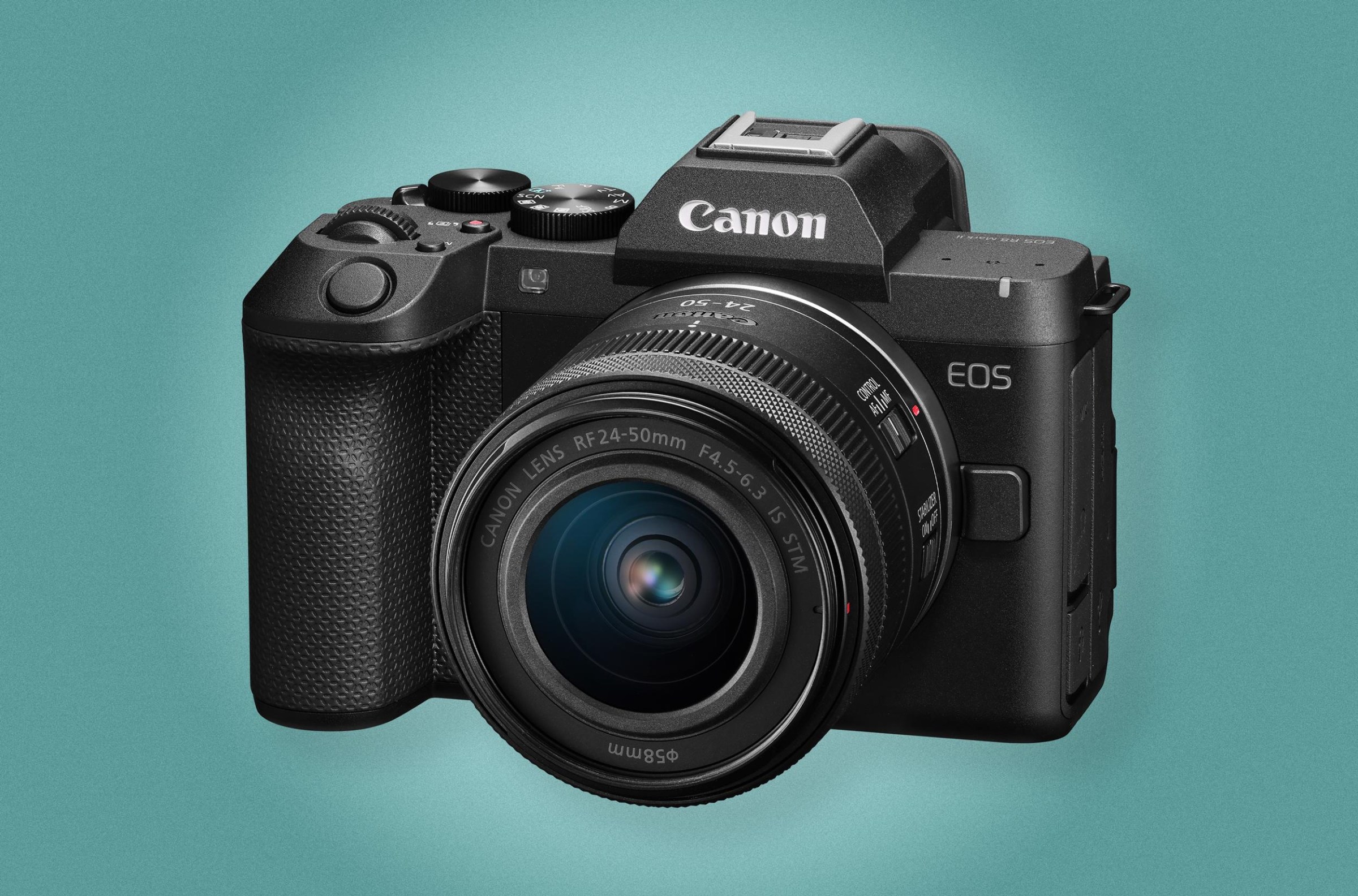
Canon has confirmed a second-generation EOS R8, and the headline change is one photographers have been asking for since the original shipped in 2023: in-body image stabilization. The first EOS R8 skipped that feature entirely, relying on lens-based stabilization or none at all, which made it an outlier among Canon's full-frame RF-mount bodies and a frequent complaint in reviews of an otherwise well-regarded camera.
The EOS R8 Mark II adds five-axis in-body stabilization while keeping the camera positioned below the EOS R6 Mark II and R6 Mark III in Canon's lineup. Canon says the new body weighs 1.2 pounds, a modest increase over the original R8's stabilization-free build, but the company is positioning it as the lightest full-frame camera it sells with stabilization included. The redesign also brings a retro-styled body, echoing the dial-and-lever aesthetic Canon and rivals like Nikon and Fujifilm have leaned into for recent full-frame and APS-C releases.
Pricing and availability are where the update turns into a real purchasing decision rather than a spec upgrade. Canon lists the EOS R8 Mark II at $1,899 for the body, with shipments expected in late October. That puts it above the original R8's $1,499 launch price but still well under the EOS R6 Mark III, which Canon released last year at a higher price point aimed at more advanced shooters. The gap is meant to preserve the R8 line's role as the accessible entry point into Canon's full-frame RF system, for photographers who want a larger sensor than APS-C bodies offer without stepping up to R6-tier pricing.
That positioning matters because the original EOS R8 sold specifically on the tradeoff of smaller size and lower cost against fewer features, stabilization being the biggest omission. Buyers who wanted in-body stabilization on a Canon full-frame body had to jump to the R6 series or add stabilized lenses, an extra cost that ate into the R8's value proposition. Closing that gap without erasing the price and weight advantage is the core engineering claim Canon is making with the Mark II, and it is one that will only be verifiable once review units and street pricing show up in late October.
Canon has not detailed the stabilization system's rated stops of correction, nor confirmed whether the sensor and processor inside are unchanged from the original R8 or updated alongside the new hardware. Those specifics, along with real-world autofocus and battery life figures under the added stabilization draw, are the details buyers comparing this against the R6 Mark II and Mark III will want before the October ship date arrives.