use-conditions
Sprains, Pain, and Whiplash: Robotaxi Test Drivers Are Getting Hurt as Waymo and Zoox Scale
OSHA filings reviewed by TechCrunch show more than two dozen 2024-2025 injuries to Waymo and Zoox test drivers from hard braking, exposing a gap between polished robotaxi demos and the job of riding shotgun in one.
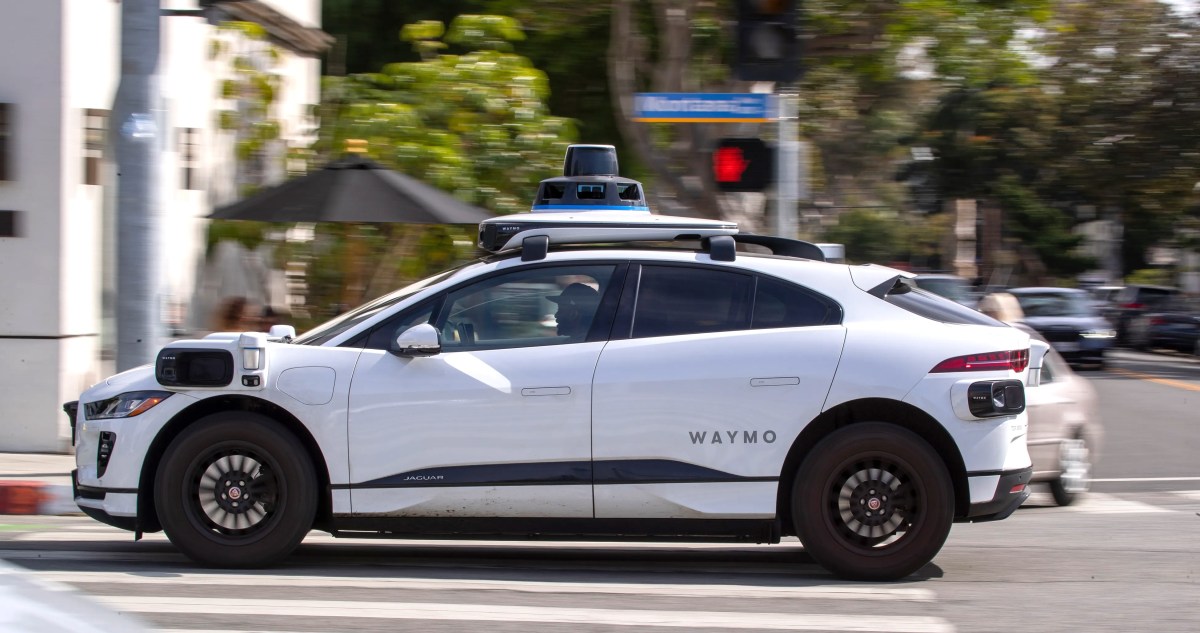
The pitch for robotaxis has always rested on a division of labor: software drives, a human in the seat exists only as a backstop. A TechCrunch review of OSHA filings shows that backstop role carries a physical cost. Test and safety drivers at Waymo and Zoox sustained more than two dozen documented injuries in 2024 and 2025 -- sprains, strains, whiplash -- from hard braking and sudden swerves executed by the software they were hired to supervise.
The numbers, per TechCrunch's review: Transdev North America, the contractor that staffs Waymo's safety drivers, reported 16 injuries tied to Waymo depots across three cities. Zoox reported as many as 8 worker injuries from hard braking. Some workers were sidelined for weeks or months. Two Zoox cases stand out for their specificity: a contractor injured a shoulder and upper arm in San Francisco on January 5, 2025, and spent 16 days on restricted duty; another driver hurt a neck and shoulder later that month and took 8 days off before returning without restriction.
Zoox contractors have a name for what causes these injuries: a "brake jab," a sudden, forceful stop the autonomous system triggers when it detects, or misdetects, debris in the road. Workers describe it as something that can happen multiple times in a single shift, at any speed, without warning. It's the kind of failure mode a rider glancing at a safety-mile statistic would never see, because it happens inside the car, to the person whose job is to make the ride look uneventful.
That gap between the public-facing product and its internal operating reality is the actual story here. Waymo advertises well over 170 million fully autonomous miles as evidence the system works. Zoox has told TechCrunch that reported injuries represent a small fraction of the millions of test miles its vehicles have logged. Both claims can be true and still leave the injury data as the more honest measurement of what these systems currently ask of the humans still riding along inside them.
The braking behavior behind the Zoox injuries isn't a new discovery. In May 2024, the National Highway Traffic Safety Administration opened a preliminary investigation, designated PE24015, after two Zoox vehicles braked unexpectedly and were rear-ended by motorcyclists, causing minor injuries; the probe covered roughly 500 vehicles and focused on how the system handled crosswalks and rear-end scenarios. Zoox responded in March 2025 with a formal recall of 258 vehicles, telling regulators the software had "reacted over-cautiously and braked unnecessarily hard" or misjudged collision risk. NHTSA closed its investigation once the recall and software update addressed the pattern in its data.
What the closed investigation didn't capture is that the same defect mechanism kept operating on the inside of the car. A fix aimed at protecting pedestrians and other drivers from unexpected stops does nothing to protect the person belted into the driver's seat when that stop happens -- the maneuver that resolves a public safety complaint is, for the test driver, the injury event itself.
Structurally, neither Waymo nor Zoox is the direct employer of the people absorbing that risk. Waymo contracts its safety-driver staffing to Transdev under a multiyear deal built around what the companies describe as "test-driving as a service," an arrangement that keeps day-to-day injury and workers'-compensation exposure a layer removed from Waymo itself. Zoox's injured workers are also described in restricted-duty terms consistent with contractor status rather than direct employment.
The injury data exists in public view largely by accident of classification. Waymo and Zoox self-report to OSHA as taxi, limousine, and transit services, a category subject to stricter disclosure rules, and federal rules only require public reporting from establishments with 100 or more employees. That threshold means test-driver operations in newer or smaller expansion markets -- the cities where these companies are currently pushing hardest to scale -- may not be generating any public injury record at all, even as the same braking behavior plays out on their streets.
Waymo declined to answer TechCrunch's questions about the OSHA-reported injuries, and the outlet could not determine whether additional injuries have occurred so far in 2026. Zoox's position is that hard braking is sometimes unavoidable in a system designed to err toward caution. Both statements can be defensible engineering tradeoffs and still describe a product whose safety case, for now, is being stress-tested most directly by the people sitting closest to the wheel.