use-conditions
Artcraft’s Adobe-like apps are free to try, and far from Adobe replacements
A Claude-assisted project has released seven open source Adobe-style apps, including browser versions. The early alpha tools offer familiar screens, not finished professional workflows.
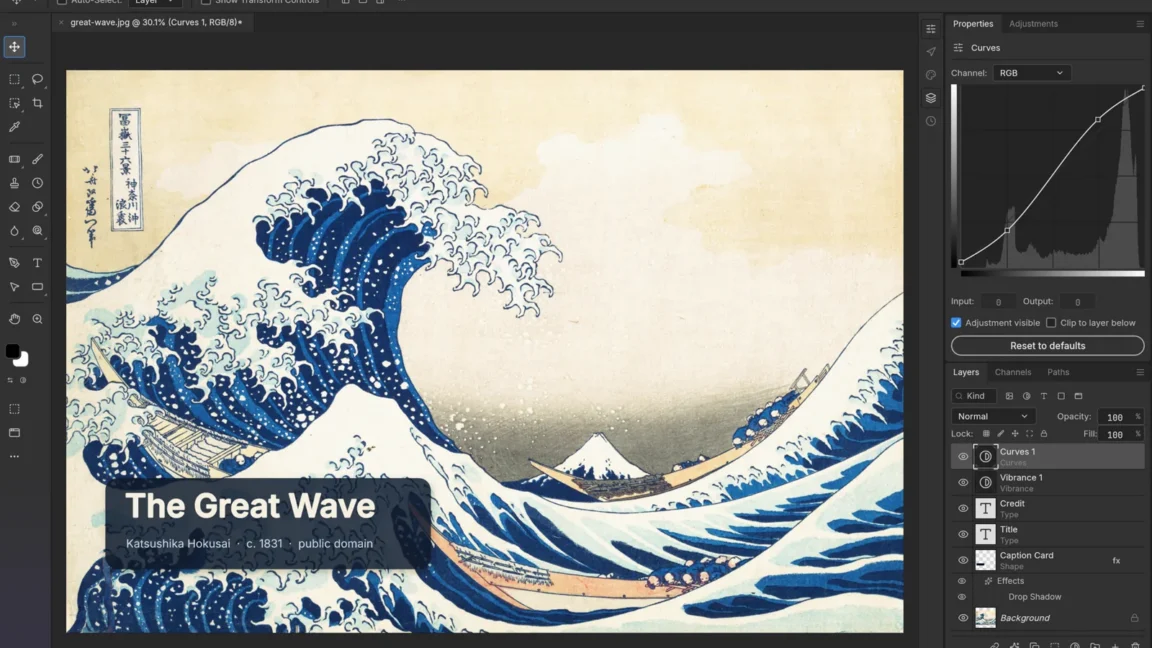
Artcraft has shifted from an AI image and video editing pitch to a more provocative product claim: a set of open source applications meant to resemble Adobe’s flagship creative software. Developer Brandon Thomas says Anthropic’s Claude Opus 5.5 helped produce “clean-room replacements” written in Rust, with WebAssembly editions that can run in a browser.
The release covers seven familiar categories: image editing, vector drawing, video editing, photo management, motion graphics, page layout and PDF work. Artcraft maps them to Photoshop, Illustrator, Premiere, Lightroom, After Effects, InDesign and Acrobat Pro. That breadth makes the project easy to mistake for a wholesale Creative Cloud substitute.
Its practical status is much narrower. Kyle Orland’s Ars Technica report describes the software as “super early alpha,” a label Thomas uses himself. Commenters on Hacker News and elsewhere identified substantial shortcomings in the current applications, despite Thomas’s prediction that they could eventually reach Adobe-level functionality.
For users, the useful distinction is between interface familiarity and production readiness. A browser-delivered Rust application can make an immediate, low-cost trial possible. It does not establish support for the file formats, tooling depth, reliability, plug-in ecosystems and edge-case workflows that keep creative teams tied to mature desktop suites.
The project’s open source posture also creates a different kind of appeal. Developers can inspect, modify and potentially contribute to the code, while people frustrated by subscription pricing can test a no-fee alternative. Neither condition turns an alpha release into a safe migration path for active client work, archives or shared production pipelines.
Thomas’s clean-room characterization is a claim about the development approach, and the visible resemblance to Adobe products remains central to the project’s pitch. The current public evidence supports a more modest conclusion: Artcraft has published an unusually broad set of Adobe-inspired prototypes, with browser access available through WebAssembly and a long list of professional capabilities still to prove.