Yandex Lost Nearly 3 Percent of Cloud Data to Drone Strikes, Now Makes Backups the Default
Yandex says drone strikes destroyed 2.84 percent of customer cloud data and is responding by turning on VM backups by default, while a new, capacity-capped datacenter zone hints at sanctions-driven hardware supply limits.

Status
- Announced
- Demonstrated
- Available
- Independently confirmed
Sources
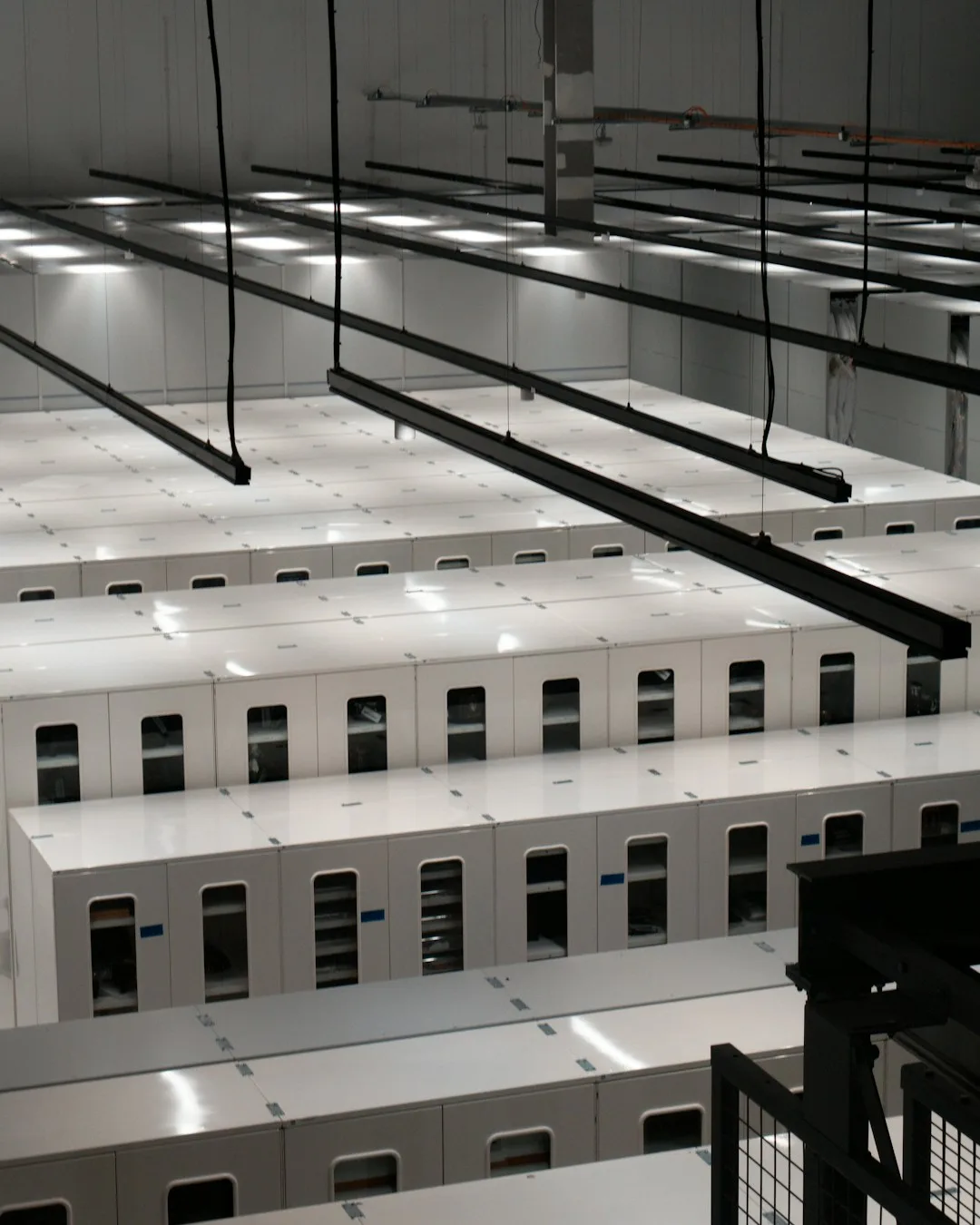
Yandex has confirmed that drone strikes on its datacenters destroyed 2.84 percent of customer data stored in its cloud, a loss the Russian operator is now trying to prevent from happening again by turning on backups for every virtual machine by default.
The damage traces to early October, when a drone attack hit the ru-central1-b availability zone, started a fire, and knocked out that zone's compute and storage. Ukrainian press reported the strike was ordered by Kyiv. Subsequent strikes reached additional Yandex facilities and interrupted cloud and payment services beyond the first site, according to The Register.
In a Tuesday update, Yandex said it had restored more than 97 percent of affected customer data. The remaining 2.84 percent is gone for good. Yandex attributed the loss to 'critical hardware damage and a lack of backups on the platform,' language that leaves open whether the company itself skipped redundant copies of customer data, whether its resilience tooling doesn't replicate data across zones, or whether individual customers had opted out of protection.
The fix Yandex settled on is an infrastructure default: automatic backups now apply to every VM customers spin up. Customers who want to skip the extra storage and compute overhead have to opt out manually, which means baseline cloud bills will rise unless users take that step.
Three Yandex sites have now taken drone damage while the war with Ukraine continues, which raises the practical question of how much redundancy a single national cloud footprint can offer during an active air campaign. Yandex's own recovery announcement points customers to a page promoting hybrid cloud architecture for data protection, and that page cites Yandex's Stackland product, which runs Yandex's stack on customer premises, as one hybrid option.
Yandex also opened a new availability zone, ru-central1-f, on Wednesday. The company didn't disclose the zone's location beyond calling it 'a new location,' and it has capped how much compute and storage customers can provision there. Private endpoint traffic to the new zone isn't supported yet either.
Those limits point to a supply problem as much as a security one. Multiple countries have sanctioned technology exports to Russia, and building out a new datacenter zone requires procuring servers, networking gear and storage hardware that sanctions make harder to source. A capacity-capped, endpoint-limited launch is what a hyperscaler's expansion looks like when the usual supply lines for chips and network equipment aren't fully open.
Keep reading
-
 IBM to offer access to a dual-processor quantum system in 2027
-
 Google's orbital AI satellite writes a haiku, and a very expensive one
-
 Can AI data centers be mass-produced like cars? This startup aims to find out
-
 Altman-backed Volantis bets $88 million that lasers, not copper, will break AI's memory wall