announcement-check
Nvidia's Cheaper DGX Spark Costs More Than the Machine It Replaced
Nvidia's new 64GB DGX Spark costs $4,999, more than the original 128GB machine's 2025 launch price, while that 128GB model just jumped again to $6,950.
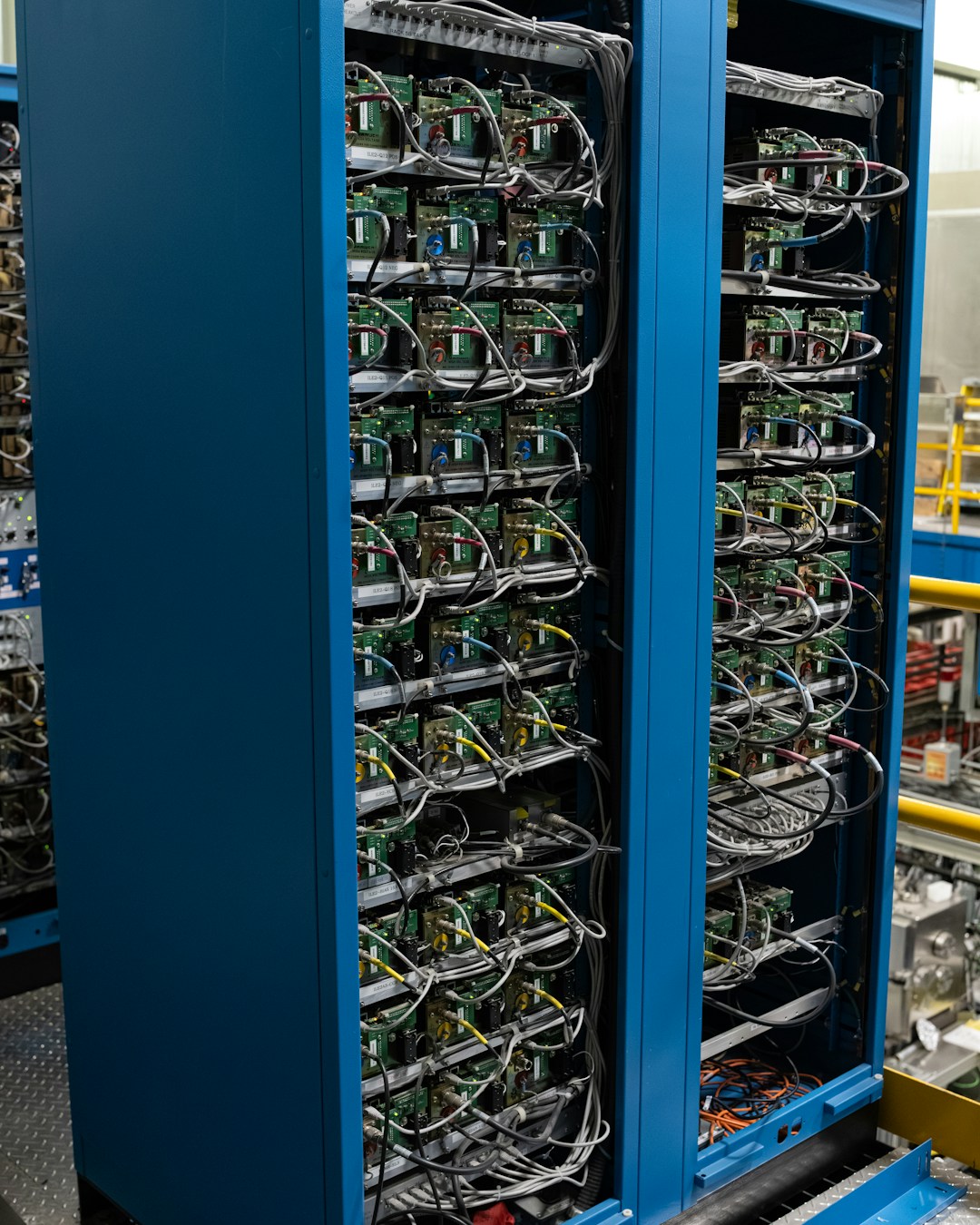
Nvidia has found a way to sell less memory for more money and call it a lifeline. On Thursday the company announced a 64GB version of its DGX Spark desktop AI computer priced at $4,999, a figure that lands above the $3,999 launch price of the original 128GB model from a year ago. In the same announcement, Nvidia repriced that 128GB Founders Edition again, to $6,950, up from an already-raised $4,699 in February. The same memory tier has now moved from $3,999 to $4,699 to $6,950 in under twelve months, while a brand new, smaller-memory configuration has slotted in above where the whole product line started.
The 64GB Spark ships October 23 and, notably, will not carry Nvidia's own Founders Edition badge. It arrives only through OEM partners, including Acer, Asus, Dell, Gigabyte, HP and MSI, according to StorageReview. That is a distribution shift from how the 128GB machine launched last October, when Jensen Huang hand delivered an early unit to Elon Musk, per TechSpot. Spreading the cheaper SKU across six brands rather than selling it directly lets Nvidia collect a margin at each OEM relationship while keeping its own retail price line anchored at the high end.
Nvidia's framing is that the cut makes sense on its own terms. The company has pointed to the shrinking footprint of current open-weight models as the reason a 64GB configuration is viable now in a way it might not have been a year ago, with Tom's Hardware noting the pitch that many newer models now fit comfortably in that space. A single 64GB unit is pitched at models in the 26 to 35 billion parameter range, and two units can cluster over the same ConnectX-7 networking carried over from the original design to reach a combined 128GB, enough, Nvidia says, for models approaching 200 billion parameters.
That rationale does not explain the timing. Every price change Nvidia has made to this product line traces back to the same root cause: a DRAM and NAND market that has been pulled out from under consumer and prosumer hardware by datacenter demand. When Nvidia raised the Founders Edition price to $4,699 in February, it said so directly, attributing the 17.5 percent increase to supply constraints, according to the Nvidia Developer Forums price change notice, while leaving existing orders honored at the old price and the hardware itself unchanged. Nothing about the GB10 Grace Blackwell Superchip inside the Spark has been redesigned since. What has changed is what it costs Nvidia to populate it with memory.
That cost has been climbing all year. JPMorgan has estimated that AI datacenters could consume roughly 70 percent of high-end DRAM output in 2026, a demand shift that has spilled into pricing for ordinary memory modules, according to JPMorgan. Samsung's 32GB DDR5 modules rose from $149 to $239 in September alone, a 60 percent jump in a single month, as reported by Network World, and Samsung has warned that industry-wide surges will continue through the rest of 2026. SK Hynix has gone further, suggesting the shortage could persist past 2030. Jefferies analysts expect DRAM prices to keep rising through the second half of this year, with no meaningful relief until fab capacity additions land in late 2027 or 2028.
Against that backdrop, the Spark's halved memory and halved storage read less like a deliberate product tier and more like the shape a DRAM shortage leaves when it presses against a fixed-function device. The LPDDR5X memory bandwidth on the GB10 chip, about 273 GB/s, is unchanged between the 64GB and 128GB versions, meaning the cheaper unit inherits the same throughput ceiling that reviewers have already flagged as the Spark's limiting factor. Independent testing has put decode speeds around 38 tokens per second against roughly 124 tokens per second on multi-GPU rigs, with PC Gamer calling the original machine too expensive for the performance it delivers.
Buyers comparing specs sheet to specs sheet have an easier case to make than ever. AMD's Ryzen AI Max+ 395 platform, sold under the Strix Halo branding across more than two dozen mini-PC models from Beelink, Framework, GMKtec and Minisforum, offers 128GB of unified memory starting around $1,985, according to TechRadar. AMD's own branded developer platform using the same chip lists at $3,999, the exact number Nvidia charged for the original 128GB Spark. Apple's Mac Studio with 128GB starts near $5,099, close to where Nvidia's new 64GB machine now sits with half the memory.
None of this is likely to be the last repricing. If the memory market behaves the way Samsung, SK Hynix and Jefferies all expect it to through 2027, the Spark line, or whatever Nvidia builds on the same GB10 base next, will keep absorbing DRAM costs into its sticker price one configuration at a time. The question for anyone pricing out a desktop AI box this month is not whether $4,999 buys 64GB today, but what the same $4,999 buys in February.