Nirva's $249 Pendant Promises to Listen Only to You. It Hasn't Shipped Yet.
Nirva has raised $33M across a seed and new pre-Series A for a $249 titanium pendant that claims to record only the wearer's voice, but the no-retention privacy promise is still an unverified company claim, and pre-orders start before any regulatory clarity on wearable wiretap rules.

Status
- Announced
- Demonstrated
- Available
- Independently confirmed
Sources
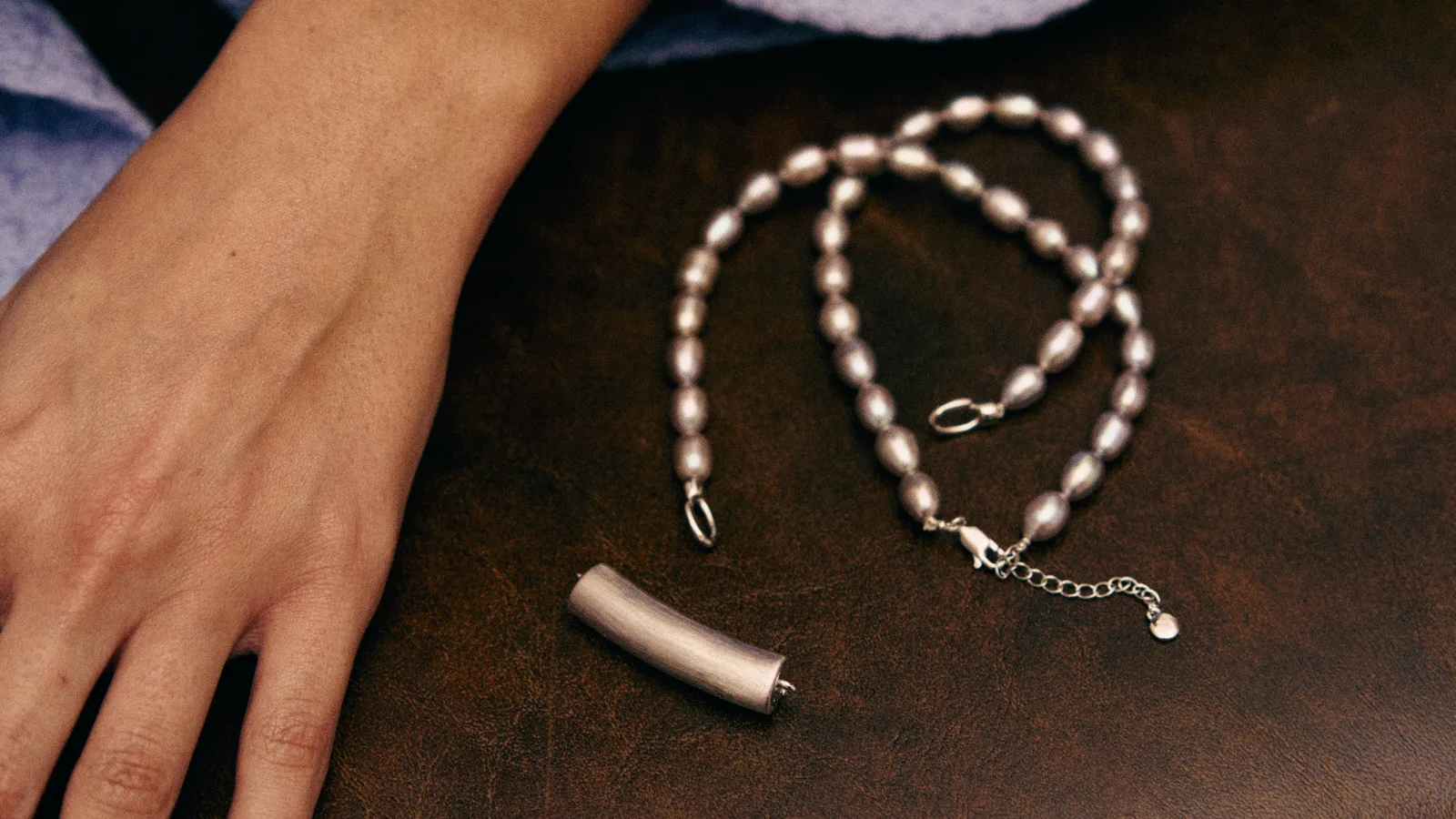
Nirva, the San Francisco startup building a titanium pendant that claims to record only the wearer's voice, has raised $33 million since launching last year, but the product itself still exists mostly on paper. The figure is cumulative: an $8 million seed closed around July 2026, led by Lightspeed Venture Partners with South Park Commons, followed by a new $25 million pre-Series A announced October 22 by TechCrunch. Pre-orders open in November, and the company says the first units ship "by year's end," which means the gap between a nine-month-old CES demo and an actual customer wearing the thing on their neck is still weeks away at best.
The pendant itself debuted at CES in January as a roughly 10-gram, jewelry-grade titanium object, a deliberate design choice from co-founder Hanying Hu, a jewelry designer whose past pieces have been worn by Blackpink and Lady Gaga. Nirva's other two co-founders, CEO Wei Lyu and CTO Jason Chen, both came out of Meta's Reality Labs, with Lyu also having led product at AR glasses maker XREAL. The pitch splits cleanly in two: a hardware team selling an always-on listening device as a fashion object rather than a gadget, with the design pedigree doing as much work as the engineering in distinguishing it from the utilitarian look of rivals like Friend, Limitless Pendant, Plaud Note, and Amazon's Bee.
The feature that gives the device its name, and TechCrunch's headline, is a voice-isolation system Nirva says captures only the wearer's own speech and filters out bystanders, paired with a policy of not retaining raw audio or transcripts once processing is done. That claim is currently just that: a claim. A search of patent records tied to Nirva by name turned up nothing related to the company; the only hits were unrelated conferencing patents from a similarly named firm, Nureva, and a headset patent from Avnera. Nirva has not said whether the no-retention policy is independently audited or simply a stated practice, which leaves the core promise of the product resting on the company's word rather than on anything a reviewer or regulator could check against a filed document.
That distinction matters because the legal ground under "always listening" wearables shifted days before this raise. CNBC reported on October 18 that devices like Nirva's are pushing into wiretap-law territory, and the legal experts it quoted made a specific point: most wiretap statutes govern the acquisition of a conversation, not whether it's later stored. By that reading, Nirva not keeping a transcript may improve its privacy optics without actually resolving the wiretap exposure the CNBC piece describes, since the exposure happens at the moment of recording, not at the moment of deletion. One theory raised in that reporting goes further, suggesting liability could attach to the person wearing the device in a bystander's private conversation rather than to the manufacturer that built it, a framing that would shape how workplaces, newsrooms, or therapists' offices decide whether the pendant is something they can allow in the room at all.
California is already moving to write rules for exactly this category. State Senator Eloise Gomez Reyes introduced SB 1130 in February, which would add a new section to the Penal Code specifically defining and restricting wearable recording devices. Nirva has not made a public statement about how it intends to comply with two-party consent laws in states like California and Illinois, where a separate wave of litigation this year, including Amer v. Eleven Labs and related suits against Meta, Google, Apple, and Nvidia over nonconsensual voiceprint extraction, has already tested how far "always on" audio products can go before courts intervene. None of those suits names a pendant, but they establish that the legal exposure facing ambient AI hardware is active and broad right now, not theoretical, which is the environment Nirva is choosing to ship into by year's end rather than waiting out.
Amazon's Bee, cited in the CNBC piece as a comparison point, launched without any bystander opt-out mechanism, and Nirva's entire marketing case rests on being the alternative to that approach. Whether that case holds up depends on details the company has not yet made public: whether the voice-isolation claim performs as described outside a product demo, whether the no-retention policy is something a third party has verified, and whether Nirva says anything concrete about SB 1130 or two-party consent compliance before the first pendants reach customers' mailboxes in the next two months. Until a unit ships and someone outside the company can test the claim against a bystander's recorded voice, the $249 pendant remains a promise backed by $33 million and a CES photo, not a product with a track record.
Keep reading
-
 Claude Duet Arrives as a Research Preview, Not a Finished Agent
-
 Nvidia's RTX Spark Laptops Are Fast at Local AI, If You Buy the Right Configuration
-
 Amazon's Bee Finally Ships Hardware, But the Memory and Consent Questions Still Aren't Answered
-
 YouTube Music starts tagging AI-generated songs, with YouTube's main app still waiting its turn