Behind Apple's new CEO disavowing "AI for AI's sake": a Google licensing deal, not a slogan
Apple CEO John Ternus told Wired he won't "ship AI for AI's sake," a line issued days before his first earnings call, backed by a January deal licensing Google's Gemini to run the new Siri.

Status
- Announced
- Demonstrated
- Available
- Independently confirmed
Sources
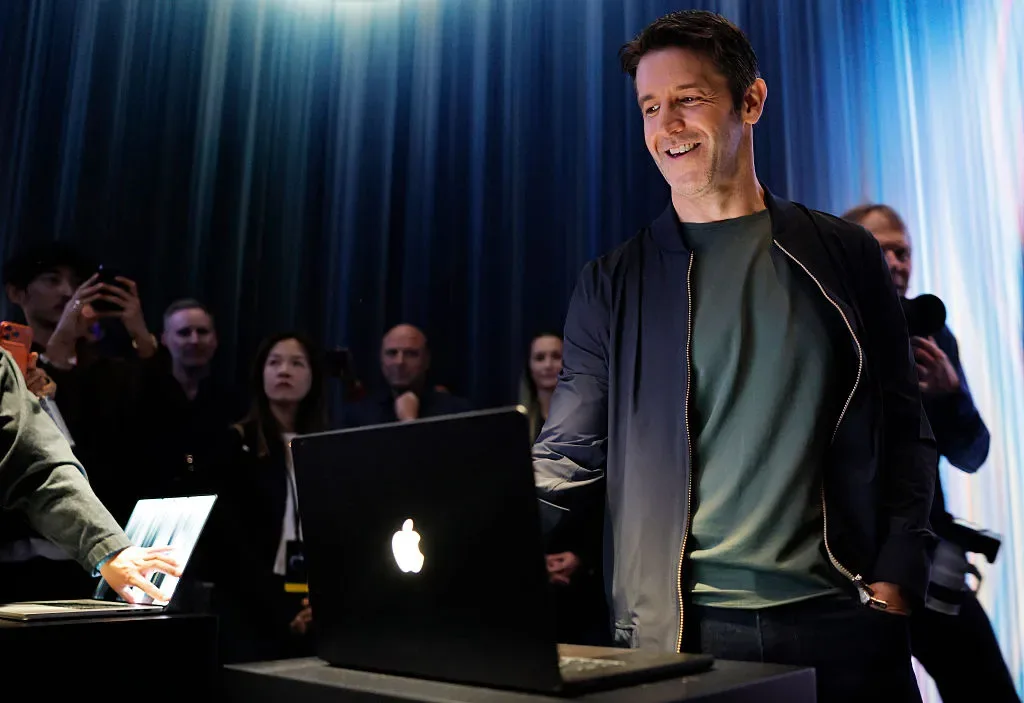
John Ternus, who became Apple's chief executive on September 1 when Tim Cook moved to executive chairman, told Wired's Steven Levy on October 30 that Apple does not want to "ship AI for AI's sake." The line arrived days before Ternus's first earnings call as CEO, scheduled for November 2, and it restates a position Apple executives have repeated since at least WWDC in June, when marketing chief Greg Joswiak used nearly the same phrase.
The restraint has a contractual record behind it. In January, Apple signed a multiyear deal with Google to run Gemini models inside the rebuilt Siri and other Apple Intelligence features. Cook said at the time that Apple's own foundation model would stay in the product but would not power the new Siri. That is a licensing arrangement, not a merger of engineering teams, and it shifts a core function of Apple's assistant onto infrastructure Apple does not own. The deal followed repeated delays to the Siri overhaul that Cook first announced in 2024 and that slipped multiple times starting in March 2025, with Cook citing Apple's internal "quality bar."
Apple has also kept its AI data center spending well below Amazon's, Microsoft's, and Google's, betting instead on a mix of on-device and cloud processing that Cook called a "competitive weapon" on the July earnings call. Ternus inherited that bet along with soft guidance: Apple told investors in July to expect 9 to 11 percent revenue growth for the fiscal fourth quarter, below the 12 percent analysts had modeled, citing component supply constraints.
In the same Wired interview, Ternus said Apple will use AI in its products. Asked whether AI agents could replace apps, he called building products "a deeply human and personal thing." Asked about AI regulation, he turned the question to security and privacy instead of engaging the rulemaking question directly.
One market Apple has not reached yet is China. A test version of Apple Intelligence was expected to land there only in October 2026, paired with a local partner rather than Gemini, well after the feature shipped in the United States. Whatever Ternus says about pacing on the November 2 call, that gap on the ground is the one regulators and reviewers there can actually measure.
Keep reading
-
 Want to build a UK datacenter? Please hold while Whitehall transfers you
-
 Pennsylvania's new AI ad law reaches from Super Bowl spots to wing-special flyers
-
 Google's October 16th Privacy Policy Change Opens Gmail and Photos Data to Ad Targeting
-
 Nvidia's OpenShell Pitch Leans on Hardware Lock-in and a Telemetry Opt-Out, Not New Rules