Pennsylvania's new AI ad law reaches from Super Bowl spots to wing-special flyers
Pennsylvania Governor Josh Shapiro signed a law requiring disclosure labels on AI-generated or significantly AI-modified ads, covering everything from national TV spots to local restaurant flyers.

Status
- Announced
- Demonstrated
- Available
- Independently confirmed
Sources
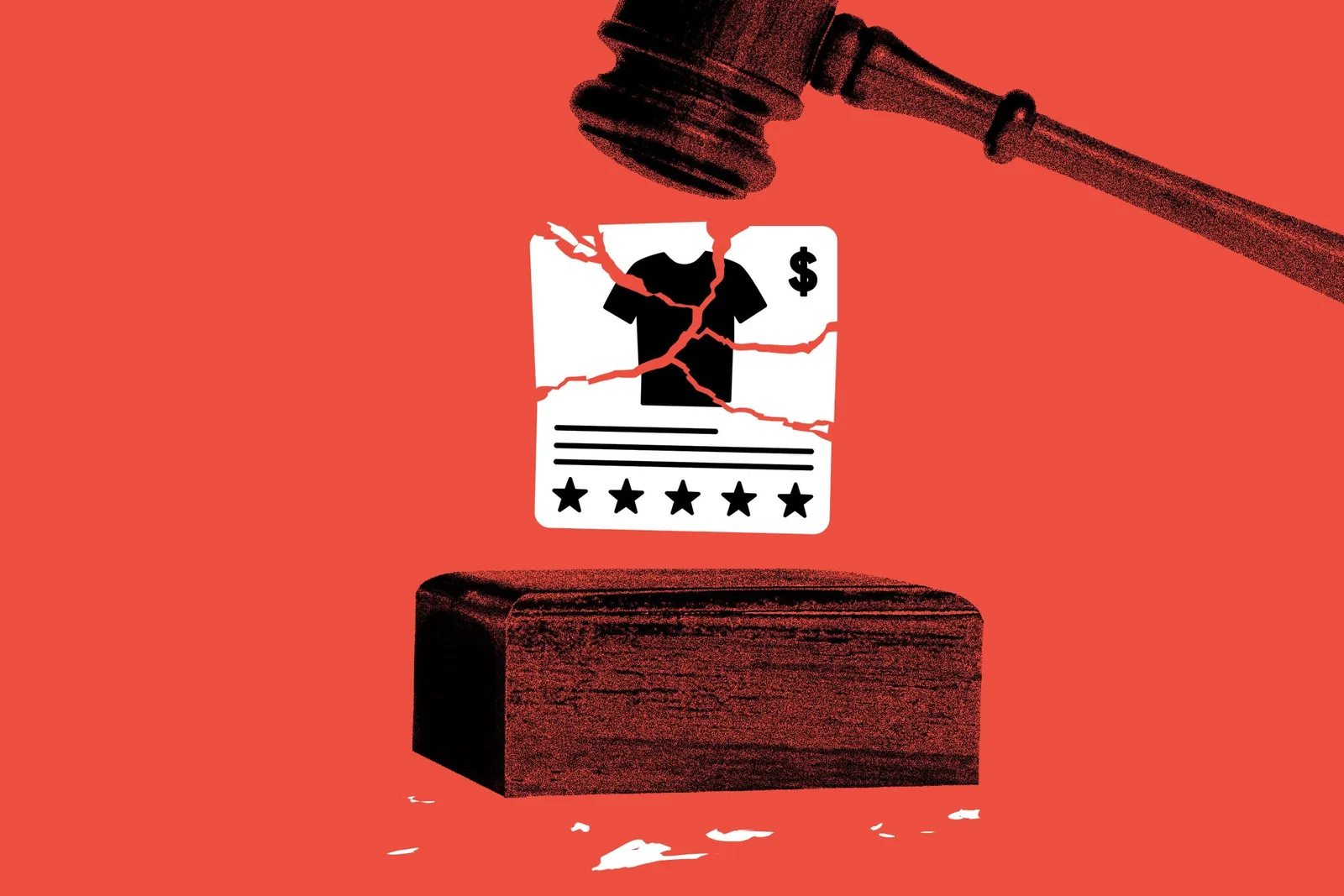
Pennsylvania Governor Josh Shapiro signed the Artificial Intelligence Deceptive Advertising Act on Thursday, making the state one of the first to write a labeling mandate for AI-generated advertising into statute rather than leaving the matter to agency guidance or voluntary industry codes.
The text, as described by The Verge's Terrence O'Brien, defines its scope broadly: any advertisement that has "significantly modified or generated by artificial intelligence" content triggers the disclosure requirement, regardless of medium. A still image, a video spot, an audio clip and a block of text all count, and the law does not carve out exceptions for the size of the advertiser.
That breadth is the operative detail for anyone trying to figure out who has to comply. The statute does not distinguish between a national television campaign from a multi-billion-dollar brand and a one-page flyer taped up by a local restaurant promoting a wing special. If the content meets the significant-modification-or-generation threshold, the same labeling obligation applies to both.
The format requirement is also tied to the medium of the ad itself rather than a single standardized tag. A disclosure has to appear in the same format as the advertisement it accompanies, meaning a video ad needs a visible or audible label suited to video, while a printed flyer needs one suited to print. That design choice shifts compliance work onto whoever produces each ad, rather than letting platforms satisfy the law with a single generic watermark.
Pennsylvania's law also applies regardless of where the ad originates, extending its reach beyond advertisers physically based in the state to reach any AI-touched advertisement delivered to Pennsylvania audiences. That jurisdictional reach is the part most likely to draw attention from advertisers and agencies based elsewhere, since an out-of-state marketing team running a campaign that touches Pennsylvania consumers now has to build the label into the creative itself.
Keep reading
-
 Google's October 16th Privacy Policy Change Opens Gmail and Photos Data to Ad Targeting
-
 Nvidia's OpenShell Pitch Leans on Hardware Lock-in and a Telemetry Opt-Out, Not New Rules
-
 FCA to extend incident reporting rules to AI near-misses, ahead of Parliament's own plan
-
 Four European Carriers Eye Joint Spectrum Bid for Satellite Service, but the Hardware Partner Is Still Missing