announcement-check
Tesla, Uber, and Waymo Get Nevada's Green Light for Up to 8,000 Robotaxis — But One Company's Real Number Is Still 10
Nevada regulators approved permits allowing Tesla, Waymo, and Uber to run up to 8,000 combined robotaxis in Clark County, but Tesla's actual on-road fleet remains capped at just 10 vehicles under a separate interim order.
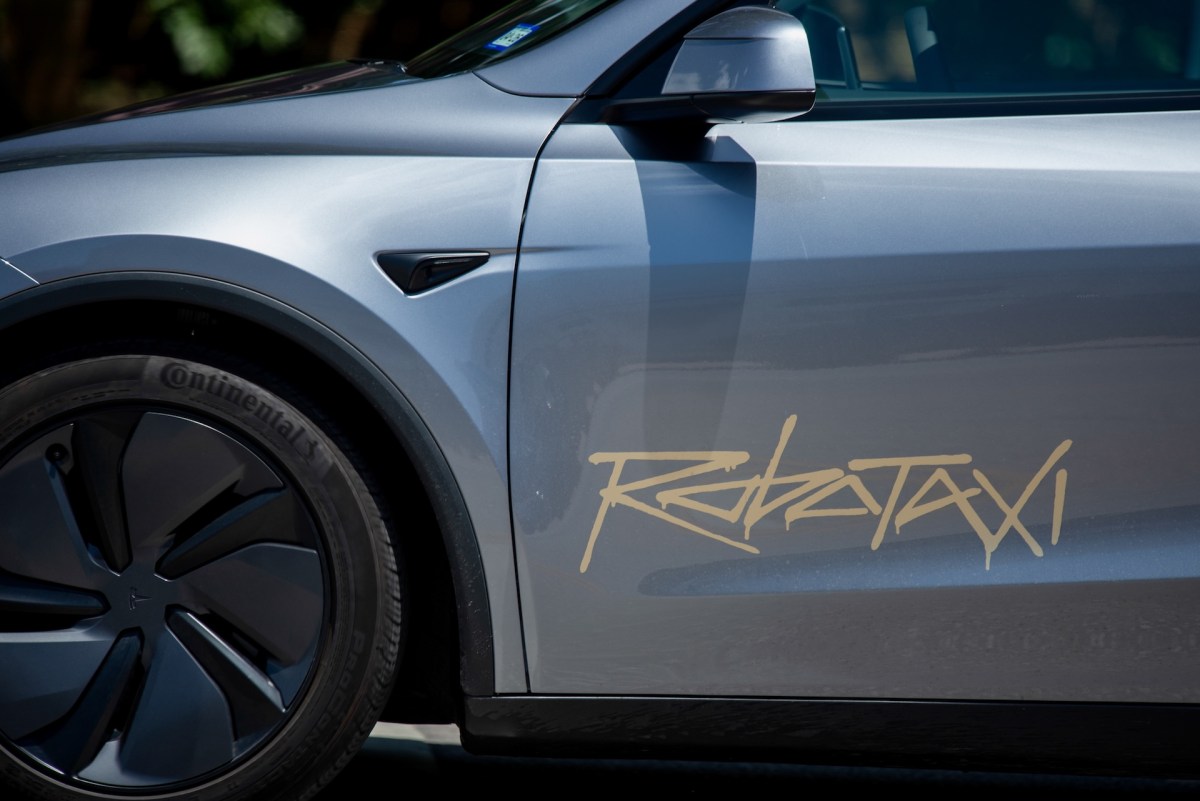
Nevada regulators just handed the robotaxi industry a number worth pausing on: up to 8,000 driverless vehicles across Tesla, Waymo, and Uber, cleared to operate in Clark County over the next 12 months. The Nevada Transportation Authority unanimously approved the permits on August 20, giving Tesla room for 5,000 vehicles, Waymo 1,000, and Uber 1,000 through partnerships with Motional and Zoox, on top of Zoox's existing 100-vehicle allowance. Every vehicle must be marked "Robotaxi," and riders have to be told before the trip starts that no one is driving.
That 5,000 figure for Tesla sits awkwardly next to what regulators actually authorized the company to do on the road right now. Days earlier, Electrek and Axios reported that an interim NTA order capped Tesla at 10 vehicles, confined to the Las Vegas Strip, limited to 45 mph, with pickups at Harry Reid International Airport off-limits. Electrek put the discrepancy plainly: "Nevada regulators haven't publicly explained how a 5,000-vehicle request became a 10-vehicle permit." The two numbers describe different things: a narrow interim operating order for cars on the street today, and a 12-month ceiling on the network permit Tesla just secured. Nevada hasn't laid out how one becomes the other, and TechCrunch's report of the 5,000-vehicle approval arrived without reconciling it against the 10-car reality regulators had just imposed.
Tesla's own team is managing expectations downward. A company chief engineer told TechCrunch that "the 5,000 has always been a ceiling for us," pointing to a realistic first-year deployment closer to 2,500 vehicles, held back by non-technical constraints rather than the technology itself. The scale of that gap matters: Electrek's sourcing put Tesla's entire national robotaxi fleet at around 20 vehicles operating simultaneously as of mid-August, meaning even the 10-car Las Vegas deployment already running represents a 50% jump in the company's total US footprint.
Waymo and Uber arrive at this approval from very different starting points. Zoox, Amazon's purpose-built robotaxi unit, has been the real incumbent in Las Vegas all along: it operated under interim NTA authority since May 2025, gave free rides starting that September, and only began charging fares on August 10 of this year, ten days before the broader approval. Waymo's entry was telegraphed well in advance, too, with the company announcing plans in November 2025 to bring its Zeekr-based fleet to Las Vegas the following summer, making this permit more of a regulatory formality than a surprise launch. Uber, notably, isn't running its own autonomous vehicles at all in Nevada; its allotment rides entirely on Motional and Zoox, and the company reportedly pitched regulators on a hybrid model mixing human drivers with robotaxis, a different bet than the full-autonomy pitches from Waymo and Tesla.
The taxi and livery industry isn't taking any of this quietly. The Livery Operators Association and local taxi operators opposed the permits, arguing Nevada is moving too fast and risking oversaturation in Clark County. What's left unresolved is how the state squares its own numbers: an interim order that puts 10 Tesla robotaxis on a geofenced Strip route, next to a signed permit that authorizes 500 times that many. Until Nevada regulators explain the gap, the 8,000-vehicle figure describes what companies are allowed to eventually build toward, not what's actually driving Las Vegas streets today.