Tesla's Cybercab Order Page Promises Ownership. The Contract Says Otherwise.
Tesla's new "personal use" Cybercab order asks for $29,990 and a $1,000 deposit, but the signed terms require a $299 monthly subscription the car won't run without, bar robotaxi use, and let Tesla redraw where it can be driven at all, even as federal regulators keep demanding proof the car's design meets safety standards in the first place.

Status
- Announced
- Demonstrated
- Available
- Independently confirmed
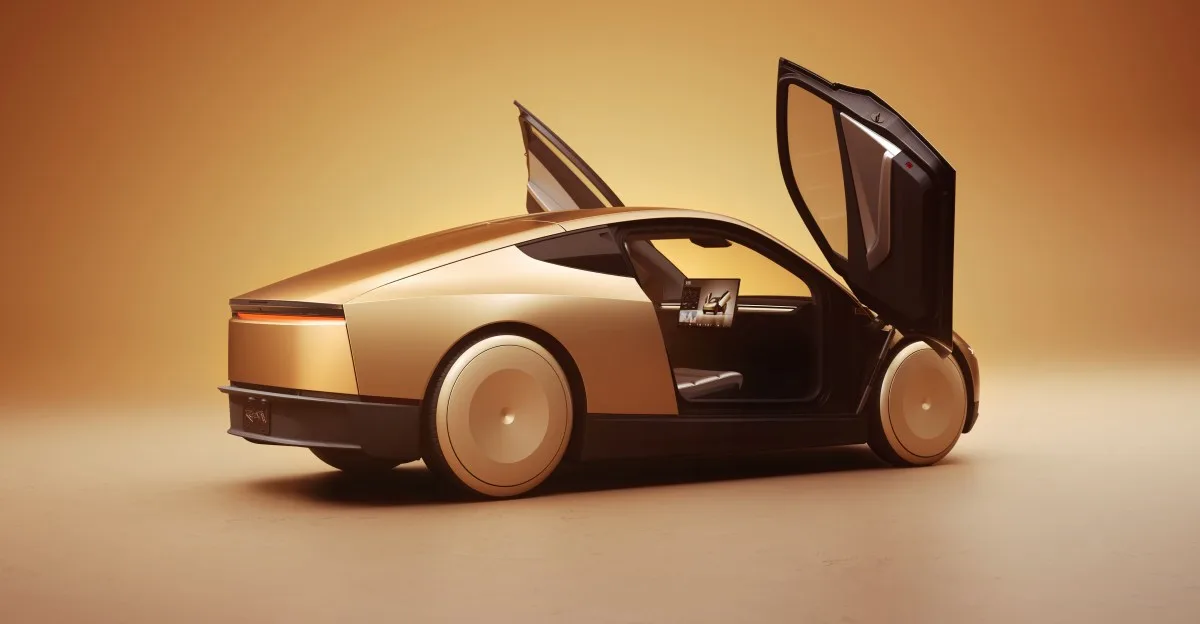
Tesla opened orders this week for a personal-use Cybercab, inviting select customers to put down $29,990 plus a non-refundable $1,000 deposit. The order page attaches a condition that changes what that price actually buys: a $299 monthly "Autonomy Subscription," pre-checked by default, without which the car will not operate at all. The vehicle's own purchase agreement states this directly. One free month comes with the order, then the meter starts.
The subscription is not the only string attached. Tesla's terms bar owners from putting their Cybercab onto the company's Robotaxi network or using it for any ride-hailing service of their own. The company also reserves the right to shrink the "supported service area" at any time, so ownership is geofenced to wherever Tesla already runs Robotaxi operations, a zone Tesla itself defines and can redraw. Buy the car in a city where Tesla later pulls back robotaxi service, and the contract gives Tesla the room to narrow where the car can legally be driven under its own terms.
Elon Musk has publicly undercut his own company's pricing. He called the $299 fee "too high" and floated a figure closer to $115 a month, while also saying nationwide sales depend on regulatory approval that hasn't arrived. As of this week's reporting, Tesla's order page and subscription agreement still list $299, unchanged. The gap between what the CEO says on social media and what the signed order contract requires is the actual story here: a customer with a $1,000 deposit down is bound by the document on the order page, not by a number Musk mentioned afterward.
That contract sits on top of an unresolved regulatory dispute. The National Highway Traffic Safety Administration opened an investigation into the Cybercab on September 4, 2026, over whether Tesla properly self-certified a vehicle built with no steering wheel, pedals, or mirrors, under the Federal Motor Vehicle Safety Standards. NHTSA has since escalated that inquiry to a Special Order, a formal demand that requires Tesla to answer, under oath, a list of 21 requests, including whether temporary wheels or pedals were used during the certification testing itself.
Tesla's position is that the Cybercab already meets federal standards without needing an exemption, which is also why the company argues the car falls outside NHTSA's 2,500-unit annual cap on autonomous vehicles sold under special permission. Amazon's Zoox took a different legal route for a similarly controls-free vehicle: it applied for and received an actual NHTSA exemption, approved in July 2026 and valid through 2028. Tesla chose not to seek that exemption. Whether Tesla's self-certification holds is exactly what the Special Order is testing, and the answers are not due on Tesla's sales timeline.
The rules underlying that investigation are themselves in motion. The Department of Transportation and NHTSA proposed changes in June 2026 that would ease pedal and mirror requirements for vehicles like the Cybercab. If those changes land before the investigation concludes, Tesla could end up being investigated under standards that shift mid-review, a timing question the current order page doesn't address for buyers signing now.
Delivery estimates for personal-use orders point to December 2026, starting in Austin, where Tesla's own robotaxi fleet has already moved toward fully unsupervised rides, expanding from roughly one-fifth of the fleet in March to full metro coverage by June. Software maturity has lagged the hardware: unsupervised full self-driving capability for the Cybercab specifically wasn't expected in fuller form until the fourth quarter of 2026, the same window in which Tesla is now asking select customers to place deposits.
None of this answers what happens to a $1,000 deposit if NHTSA's investigation finds the Cybercab noncompliant after customers have already ordered. Tesla's current terms don't address that scenario. No outlet has yet confirmed an independent buyer completing checkout or taking delivery under the new personal-use program. Every account so far traces back to order-page screenshots and social posts from the invited customers themselves, not to a Tesla press release or delivery record, so the gap between the invitation and an actual, finished transaction is still open.
Keep reading
-
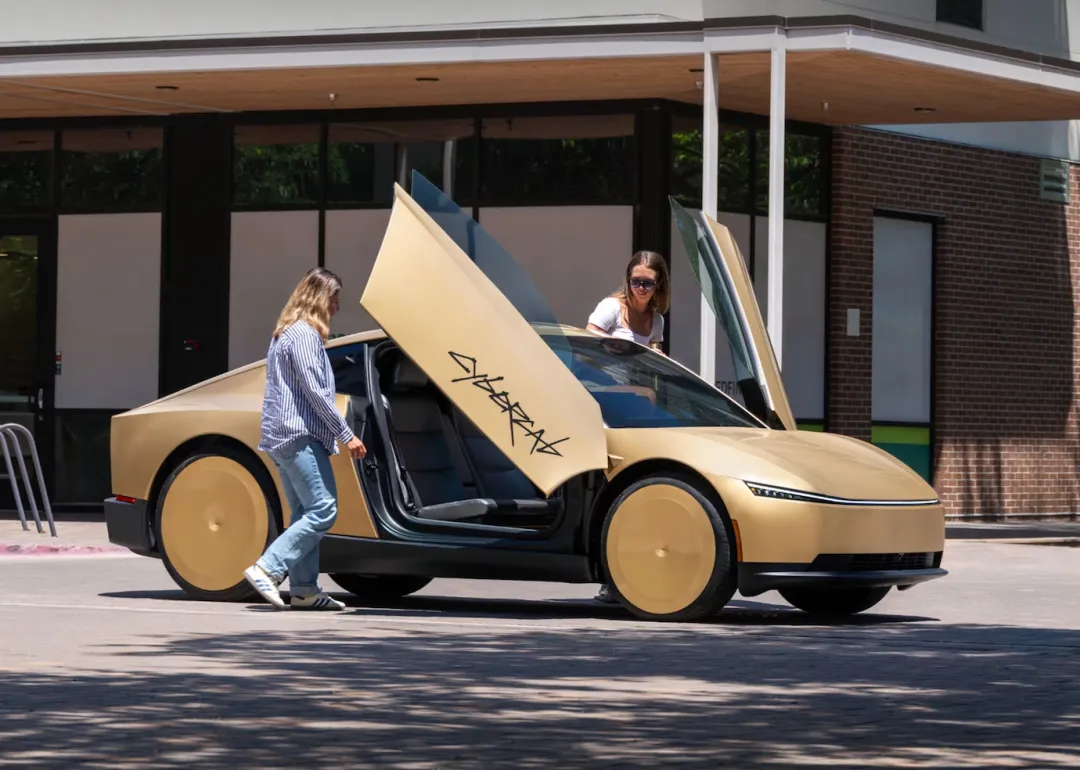 Tesla Sells Cybercabs to Consumers While Its Own Safety Audit With NHTSA Stays Open
-
 Amazon's plan to index the whole internet's products has no rulebook yet, but it has a pending antitrust case
-
 The US Cleared a Chip Buyer Whose Office Was Empty
-
 OpenAI's Pierre Deal Leaves Price, Timeline and Open-Source Terms Unsettled