Tesla Sells Cybercabs to Consumers While Its Own Safety Audit With NHTSA Stays Open
Tesla opened $29,990 Cybercab pre-orders restricted to existing robotaxi zones even as NHTSA's audit of the car's steering-wheel-free design remains unresolved months after its deadline passed.

Status
- Announced
- Demonstrated
- Available
- Independently confirmed
Sources
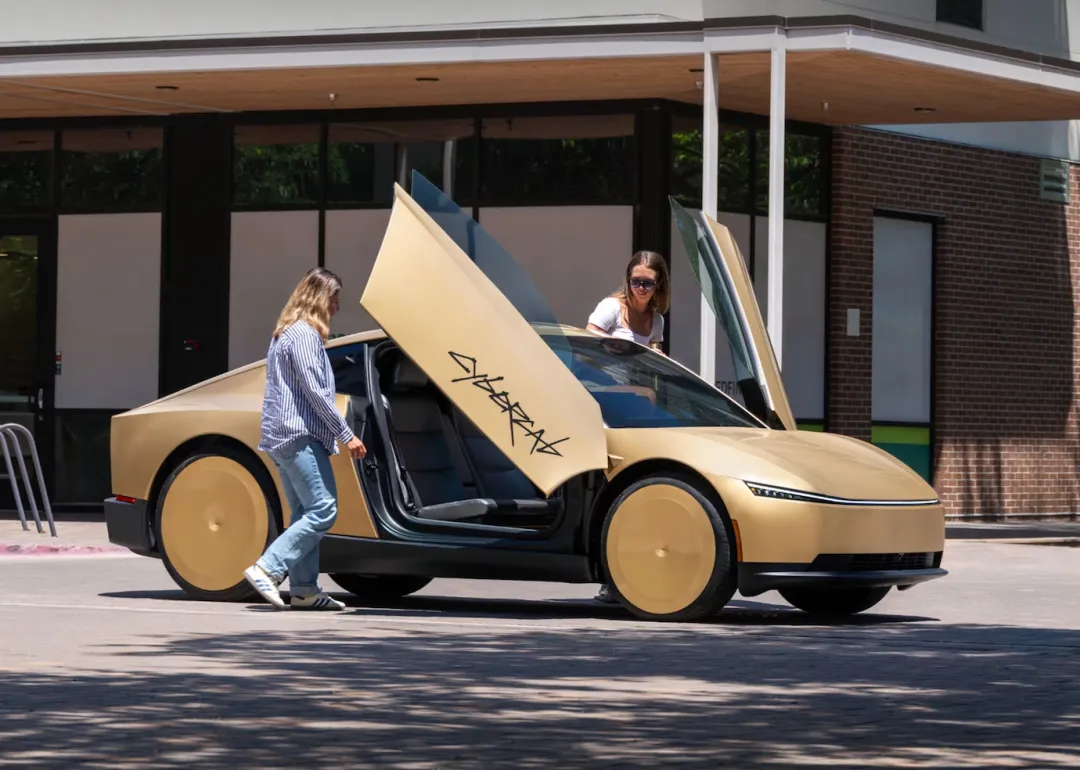
Tesla began taking personal-use pre-orders for its Cybercab on November 13, pricing the robotaxi at $29,990 plus a mandatory $299 monthly subscription, according to Electrek. The car only operates inside existing commercial Robotaxi zones in Austin, Dallas, Fort Worth, Houston, San Antonio, Miami, Orlando and Tampa. Elon Musk has said nationwide availability depends on regulatory approval, which ties the sale directly to rules Tesla hasn't yet cleared.
Those rules are the real obstacle. Federal Motor Vehicle Safety Standards require manual controls, a steering wheel and pedals, for vehicles on public roads. The Cybercab has neither. NHTSA opened a formal audit on September 4 into how Tesla self-certified the vehicle against those standards. Tesla's sworn response was due in September, then pushed to October 30. As of a November 9 check, the audit remained open with no closing document on file, meaning Tesla is selling the car to consumers while the agency's review of its core design is still pending.
Tesla has a comparison case sitting right next to it. Zoox, Amazon's robotaxi unit, built a steering-wheel-less vehicle too, and received a federal exemption for it in August. Tesla has secured no equivalent exemption for the Cybercab. Tesla VP Lars Moravy has argued the vehicle falls outside NHTSA's usual 2,500-unit annual cap for exempted autonomous vehicles because of how it was self-certified, a claim that stands or falls on what the open audit eventually finds.
The product buyers are actually getting is narrower than the pre-order page implies. Tesla's own Autopilot leadership has said personal Cybercabs will run unsupervised full self-driving only inside the same geofenced robotaxi zones, not on open roads generally. Independent researcher Koby Pierce mapped real addresses against Tesla's Robotaxi app and found the usable area inside those zones runs from 59% of the advertised boundary in Austin to 78% in Dallas, reported by Not a Tesla App. A buyer checking whether $29,990 and $299 a month works from their own driveway is checking against a map Tesla has already drawn smaller than it looks.
Keep reading
-
 Amazon's plan to index the whole internet's products has no rulebook yet, but it has a pending antitrust case
-
 The US Cleared a Chip Buyer Whose Office Was Empty
-
 OpenAI's Pierre Deal Leaves Price, Timeline and Open-Source Terms Unsettled
-
 Anthropic's IPO filing shows $895 billion in compute commitments as revenue growth cools