filing-contract-reading
Crusoe's $3.9B Raise Lands the Same Week Congress Votes on Who Pays for AI's Power
Crusoe closed a $3.9B Series F at a $30.9B valuation on the day the House passed the Ratepayer Protection Act 417-3, a bill that mirrors the on-site power model Crusoe already uses at its Abilene, Texas campus.
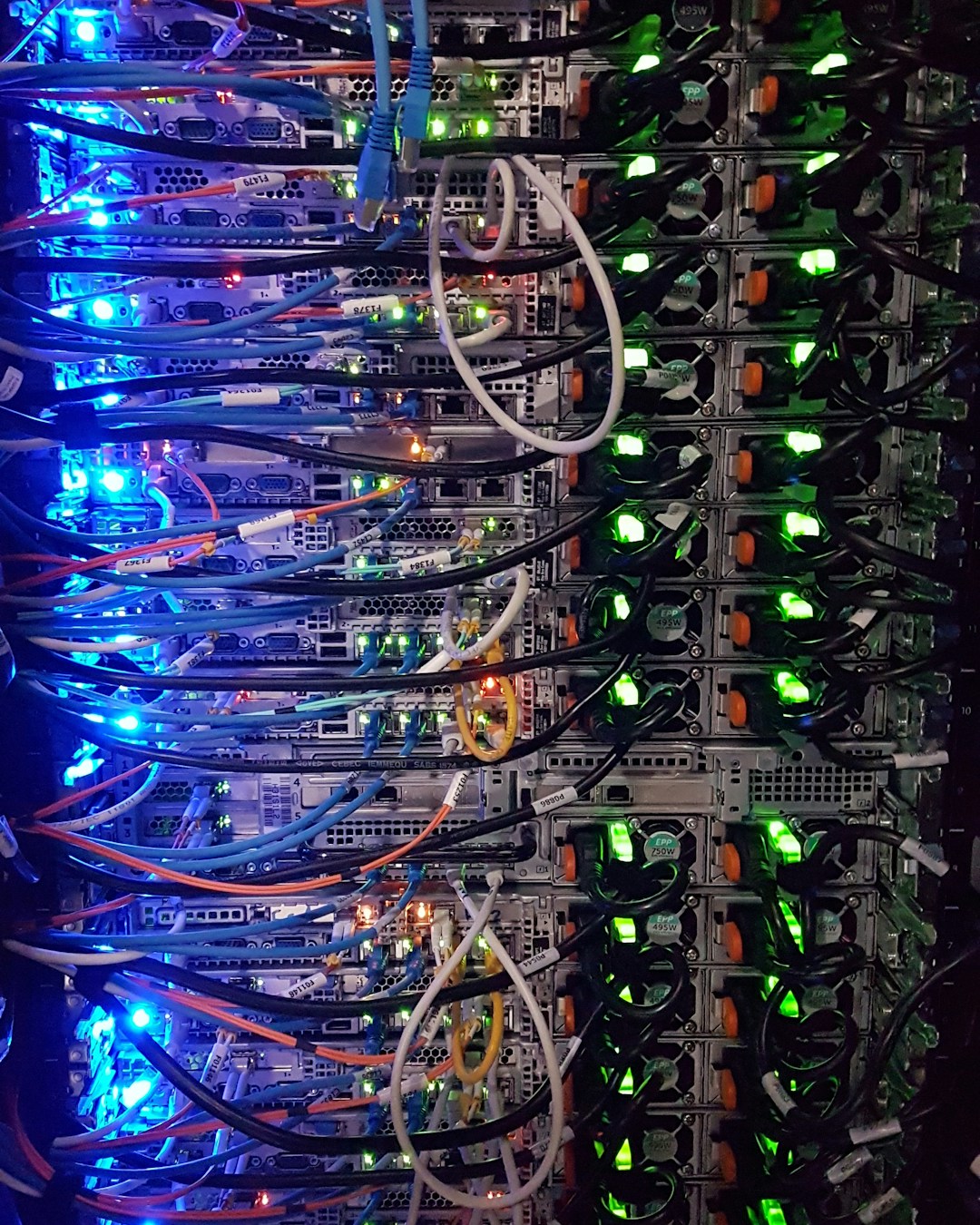
Crusoe Energy closed a $3.9 billion Series F on September 17, valuing the AI infrastructure builder at $30.9 billion, less than a year after its Series E priced the company at $10 billion. Atreides Management, Mubadala Capital and Valor Equity Partners co-led the round, with Nvidia, Salesforce Ventures and Robinhood Ventures Fund I among more than 25 participants, according to Crusoe's announcement and a corresponding GlobeNewswire release.
The money arrived the same week Washington moved, in a far more concrete way, on the question the round is really built around: who pays for the electricity AI data centers consume. On September 17 the U.S. House passed the Ratepayer Protection Act 417-3, a bill that would bar utilities from shifting hyperscalers' grid-upgrade costs onto residential customers. That bill tracks a March 2026 White House executive pledge of the same name, one Crusoe already cites as the template for how it builds sites: generate or contract power on-site instead of drawing down local grid capacity that ratepayers ultimately subsidize.
That framing matters because Crusoe's flagship project, the 1.2-gigawatt Abilene, Texas campus built for Oracle and OpenAI's Stargate initiative, runs largely on on-site gas turbines, ten currently with plans to expand toward 49. A proposed expansion of the site's Longhorn Data Center Power Plant is contested locally. A watchdog analysis cited by the Texas Observer estimates the expansion would add more than 6.7 million tons of greenhouse gas emissions annually and over 1,600 tons of health-harming pollutants, with roughly 11,862 residents living within three miles, a majority of them low-income or people of color. The Ratepayer Protection Act addresses cost allocation to the grid, leaving emissions at the plant fence line to state permitting processes. Crusoe's self-generation model can satisfy the pledge's letter while the local air-quality dispute continues on a separate track.
The Abilene financing is itself a structure other lenders are now copying, and scrutinizing. JPMorgan led roughly $9.6 billion in construction debt across two phases, while Blue Owl and Crusoe supplied about $5 billion in equity into a special-purpose vehicle that owns the facility. Quinn Emanuel has flagged that three-layer, highly leveraged structure as a source of emerging litigation risk across the AI data center industry, since it separates the entity holding the debt from the entity capturing the lease revenue. Oracle and OpenAI reportedly studied expanding Abilene beyond 2 gigawatts and then reversed course, citing financing friction and shifting demand forecasts, a data point that cuts against the industry's usual insistence that AI compute demand is effectively unlimited.
The Series F announcement did not mention that Crusoe quietly exited a separate project two months before the raise closed. "Project Jade," a planned 1.8-gigawatt Cheyenne, Wyoming campus scalable to 10 gigawatts with partner Tallgrass Energy, was paused around June or July. Crusoe's public line was that it acted "at the request of our customer." Bloomberg reported that customer was Google, and that the request followed concerns over cost and construction timeline under Crusoe's management. Tallgrass and Black Hills Corp. are now working directly with the customer to continue the project without Crusoe, according to Data Center Dynamics.
Crusoe also added three independent board members the same day it announced the funding: Cloudflare CFO Thomas Seifert, who will chair the audit committee, former Digital Realty CEO Bill Stein, now at Blue Owl's Primary Digital Infrastructure unit, which is also a financing partner on Abilene, and Redwood Materials founder JB Straubel. An audit committee chair and a board seat for a company's own lender are the kind of governance moves that typically precede a public listing, and they sit alongside a separate manufacturing commitment: a 352,000-square-foot factory in Brighton, Colorado, backed by more than $200 million, where Crusoe builds the shipping-container-sized "Spark" units capable of pairing with small modular nuclear reactors. CEO Chase Lochmiller has described the strategy as controlling infrastructure "from electrons to tokens," a claim the Cheyenne exit suggests holds more firmly on the manufacturing floor than on a leased campus where the customer can walk.